
- May 3, 2023
Mix with Confidence
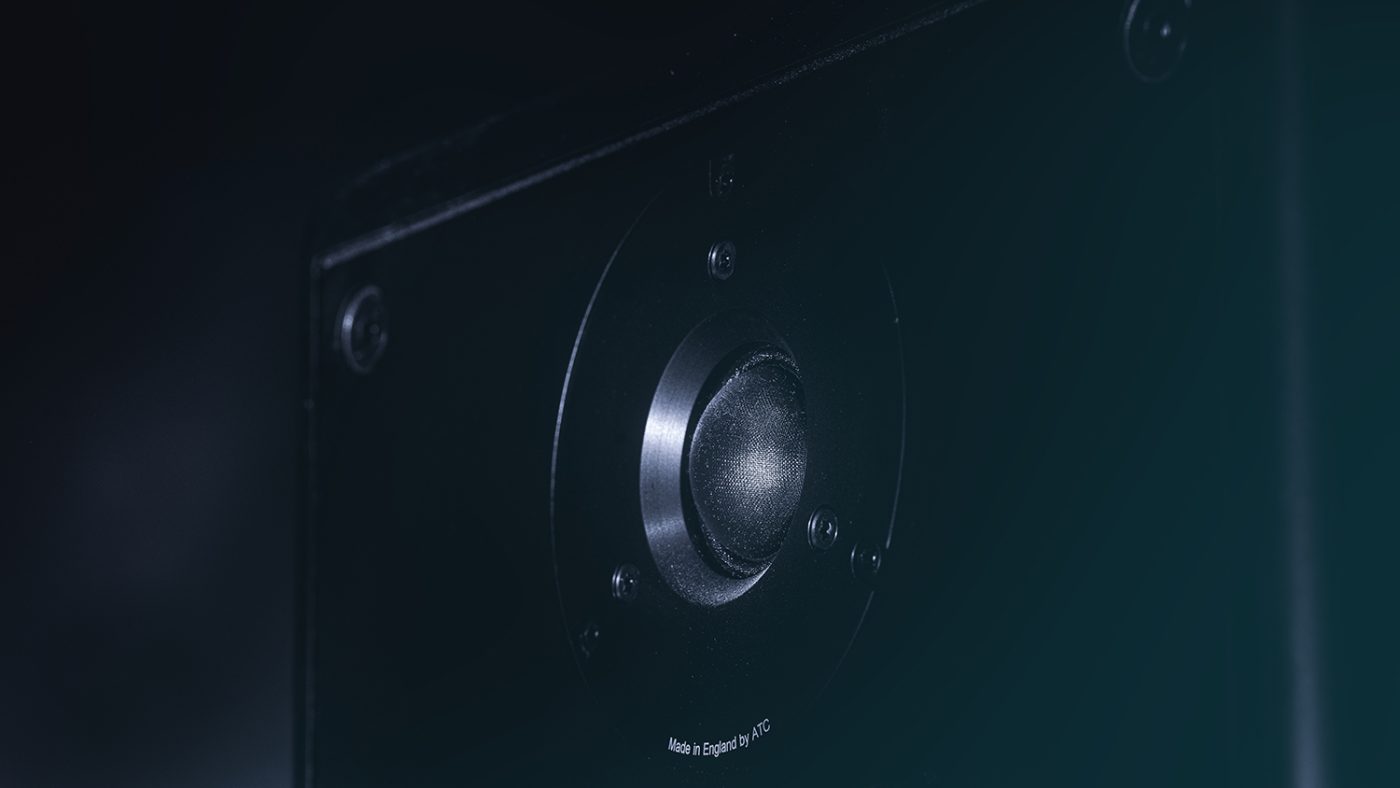
How We mix with confidence? We stick to our studio monitors that We know very well as We listen to them for more than 10 years. They are good enough in technical terms for accurate representation and We use them in an acoustically treated enviroment to ensure no anomalies alter their sound. These factors allow Us to make our decisions fast without hesitation. Being able to work fast is the key to not get stuck on details and stay focused. High quality, consistent, reliable. These are the key factors.
There is basically two problem source that can be a barrier before succes.
One is lack of knowledge the other is lack of a reference grade monitoring system. Nobody borns as a mixing mastering mastermind so at the beginning you will have to deal with problem no1 for sure. What makes it even worse is that it is very rare to have a professional monitoring system from the begining. You may heard that you need a good pair of shoes first to become runner. Well it is the same with mixing and mastering. If you can’t hear it you can’t learn how to deal with it. We can talk about the endless problems we must face when it comes to studio monitors or listening enviroment with the common anomalies of the acoustics and must mention headphones too, but instead we focus on the solutions! You don’t have to break the bank and get the no compromise highest of the high end speakers to deliver good mixes.
The key is to know your speakers. Every studio monitor even the highest priced ones are comes with flaws. You need to be aware of them and factor these in when making decisions. Well needless to say better speakers means less trial and error rounds, but mixes need to be checked on multiple systems anyways. The most common problem one could face lies in the uneven frequency distribution. It means either the lack or the excess presence of a certain range. Most of the cases it narrows down to bass section. Small speakers tend to cheat with this a lot by using a ported design to fool your ears into belive they have proper low end. In reality all you hear is one frequency that the port is tuned to. The port is used to compensate for the smaller size as it is resulting in a lower output at the bass range. You can test this by playing very low bass notes down to the point where you no longer hear them and back up and pay close attention to the articulation of the note. If a fairly high count sound almost the same you have to calculate in that in to your decision making process that you have the “single note bass” phenomenon. A much easier task is to deal with if you have too bright highs, today monitors offer some tweaking and you may probably can turn down the tweeter by a few dBs to compensate. Same attenuation controls may be found for the bass and for the room/placement settings as the bass response highly depending on the room size and the position. Putting speakers in the corner will amplify their bass response by a lot and can be fun at first but it is introducing a lot of masking and room mode build up which is not what you want. Another phenomenon is the so called SBIR (Speaker Boundary Interference Response) – This is a term to describe how the proximity of a speaker to a hard boundary (wall/ceiling/floor) will change the response, especially in the low end. When placing the speakers especially the ones that comes with a quite healty bass response you need to look for the phase cancellation that is happening from the walls, it can be side walls if your room is small or it can be the wall behind the speakers and this is what bigger rooms tend to suffer too. If you experience too weak sound from the studio monitors try to play with the distance from the back wall, one good solution would be to push them full against the wall as close as you can because this way the phase cancellation disappears and although you will have some bass build up your phase will be good which is more important.
Now here comes some hard pillows to swallow.
There are two things only money can buy: accurate slew rate and resolution.
Why are those important?
First let’s talk about the slew rate parameter. This is very important because this defines the speakers ability to represent very fast transients. The better the slew rate the faster the signal changing speed is and speed is everything when it comes to mastering. A slow speaker is not capable of representing the true peaks of a sound or thus makes it impossible to dial in compression precisely. It is like having a limiter on your sound constantly. Secondly the resolution. It is not completly independent of the slewrate as fast response is the key to microdynamics but the fast moving cone needs to stop down as soon as possible unless it would draw longer release times for your sound and suddenly everything becomes foggy and long. Resolution means that the speaker cone can handle it’s own weight and not modify the envelope of sounds thus representing them as they are. In terms of speed closed cabinet design has the advantages as the sealed space creates vacuum when the cone moves forward and helps to return to its original position. Resolution is very important because this is what gives you confidence as you hear so much better what you are doing and can make decisions much faster without guessing your own moves. When we switch to ATC from Dynaudio our mind was blown. The accuracy and the experience of tweaking an equaliser is uncompareable to any speaker we used before. Ok cut the technical parameter fetish and let’s focus on useful tips! No matter what class of studio monitors you have you have to learn them. It is not an easy task. It takes time for your brain to calibrate or so to say get in sync with a new pair of speakers so our advice is to stick with a studio monitor you like for as long as you can. Switching monitors reguralry is the worst thing you can do.
How about having multiple monitors? For mixing they used to say that having a fresh start or a different perspective can boost productivity especially when you do longer sessions, switching to another pair of speakers can refresh your mind. While yes but still you are mixing into one monitor pair at a time. Checking your decisions on a second maybe on a third pair too is a good thing. We used to do this because of the inevitable cross over masking problem that almost every speaker suffers from. These masked frequencies are act like blind spots. Now you may think that it is easy to come across the speaker problems by simply buying a decent headphone. While it is surely free of these classic issues, in return it has an awful lot different misleading weak spots. Start with the most obvious the stereo image or so to say the representation of space. When you sit in front of studio monitors they are by law sits in an equal triangle closing a perfect 60 angle. Now the headphones are sitting just on the sides so they are in 180 angle. This fact on its own is a big difference when it comes to decisions on reverb amounts or stereo image processing.
Another important factor that gives you headache when mixing in headhpones is that the crossfeed effect is not happening. Crossfeed effect is when two studio monitors play sound at the same time and is being present in both ears as they are not isolated in space and some bleeding from the left speaker to your right ear will happen and the same on the other side too. This used to be the basic situation and mixes are based on that effect being present when listening to the materia. Well a little more complicated if we start to factor in the mono compatibilty theory but that is another topic on it’s own.