
- October 27, 2023
19’Rack or 500 format?
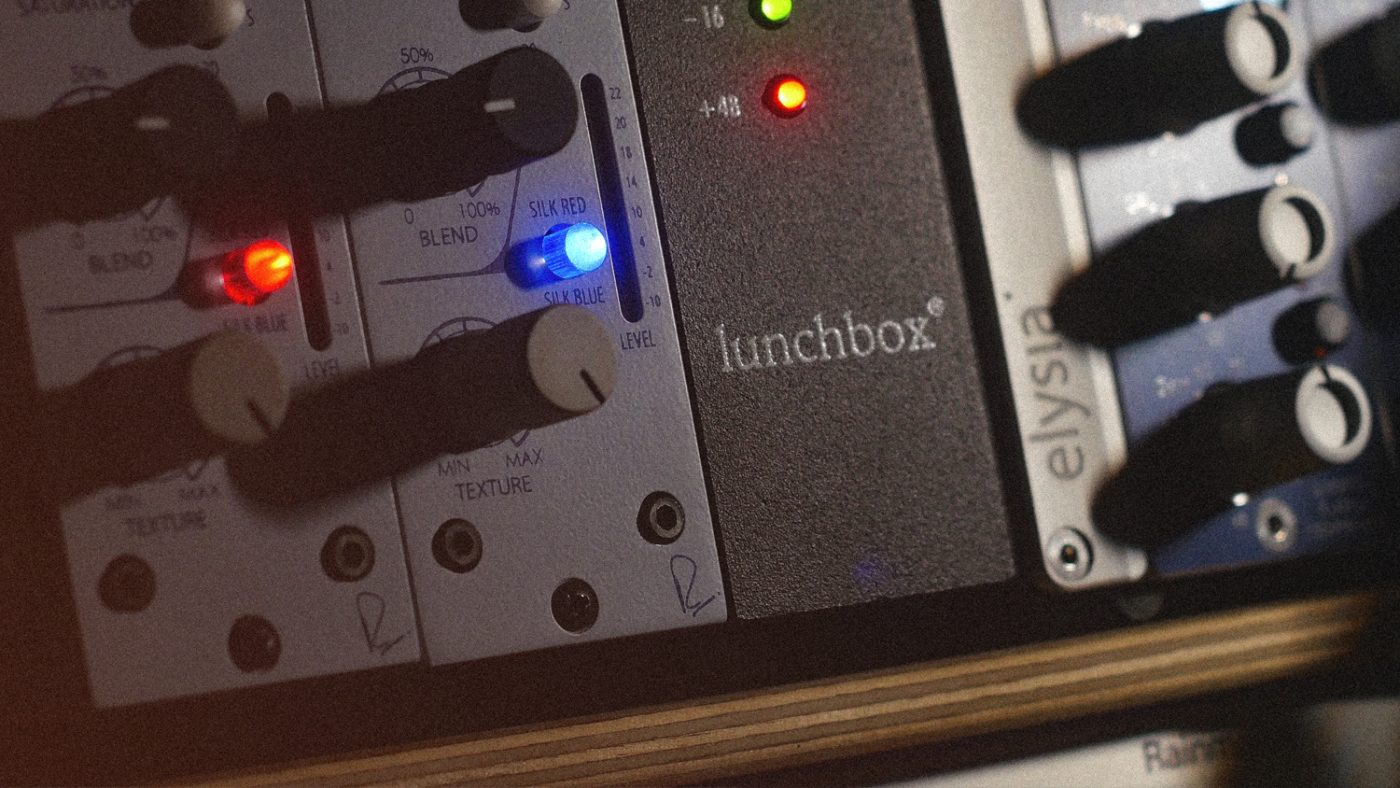
This questions often comes up when one finally decides to go for the analog sound. The most important aspect is of course the sound quality. Engineers used to say that the 500 series modules smaller card format has two down sides.
Down Sides
One of which comes to power management as they 100% rely on the PSU of the actual rack you put them in. The other is poor logistics options when it comes to circuitry design as they don’t have unlimited space because they must fit into the slot and must meet the power standards that 500 series define. In the realworld it is a bit more complicated than that. First of all many manufacturers manage to deal with the limitations and can provide the same perfomance, for example our trusty Elysia is known for having the same cards in the 19′ racks as in the 500 models, with the only difference is being adding their own PSU for the rack versions. On second thought there is the VPR alliance which is basically the modern approach of the 500 series standards as they are not so limited anymore in terms of power rules thus can have bigger modules with tube circuitry and double slots if they may. A good example is IGS Audios Tube Core which eats a mindblowing 12watts.
Temperature
Many engineers overlook the fact that the temperature we use our gear in is very important in terms of the expected lifetime. In 500 series there is not much room for air or ventillation so they can get very hot. One of the hottest racks we ever worked with is the Cranborne R8 which uses a high voltage mixer that is located in the bottom of the rack and gets pretty hot quite soon, warming up your loaded slots too. Using rack format gear gives you the option to get empty slots in between them with a fairly low cost but with 500 series leaving every second slot wouldn’t be worth it. So those of you who are also concerned about high temps should take a look at BAE 6 or 11 slot racks. Both of them offers plenty of ventillation and when we used them we noticed that our modules were much cooler than in a closed design rack. We even tried out DIY racks but to be frank, when it comes to relability and long working hours you don’t want to cut corners and just go for the industry standard. That is exactly what we did and invested in an API 8 slot house. Well of course it wasn’t enough but we didn’t want to break the bank by opening up another 8 slot rack, the workspace and temperature management and all the headaches that it would give us pushed us to the direction of the small formfactor simple but elegant Elysia Qube format which designed specially for their own 500 series modules. Of course we put our other modules in to it as well to try out and it works but officially not recommended. But good to know about this option too.
All in One
The other end of the 500 series spectrum is the mentioned above high end Cranborne R8 which is not only a house for your 500 modules but also works as an audio interface and has a built it monitor controller too. Comes with a steep price but if you add it all up, worth thinking about.
Portability
Not to mention that you can easily take it with you as a studio centerpiece, put in your car with your laptop and go to record or mix master anywhere. We have a friend that every friday puts his fully loaded R8 and macbook to the trunk next to the beers and go for a jam with his band in to the weekend house in the woods.
Perfomance
We did test a lot of gear that are avaliable both in 500 and 19′ rack version and came to a conclusion that the small compromises might be very well worth the space and cost saving if choosing 500 over the rack format. Being able to fill all you need to a much smaller surface area is a win for a lot of project or home studios, again the Cranborne R8 is the best example for this.