
- August 4, 2024
Coloring tools in Mastering
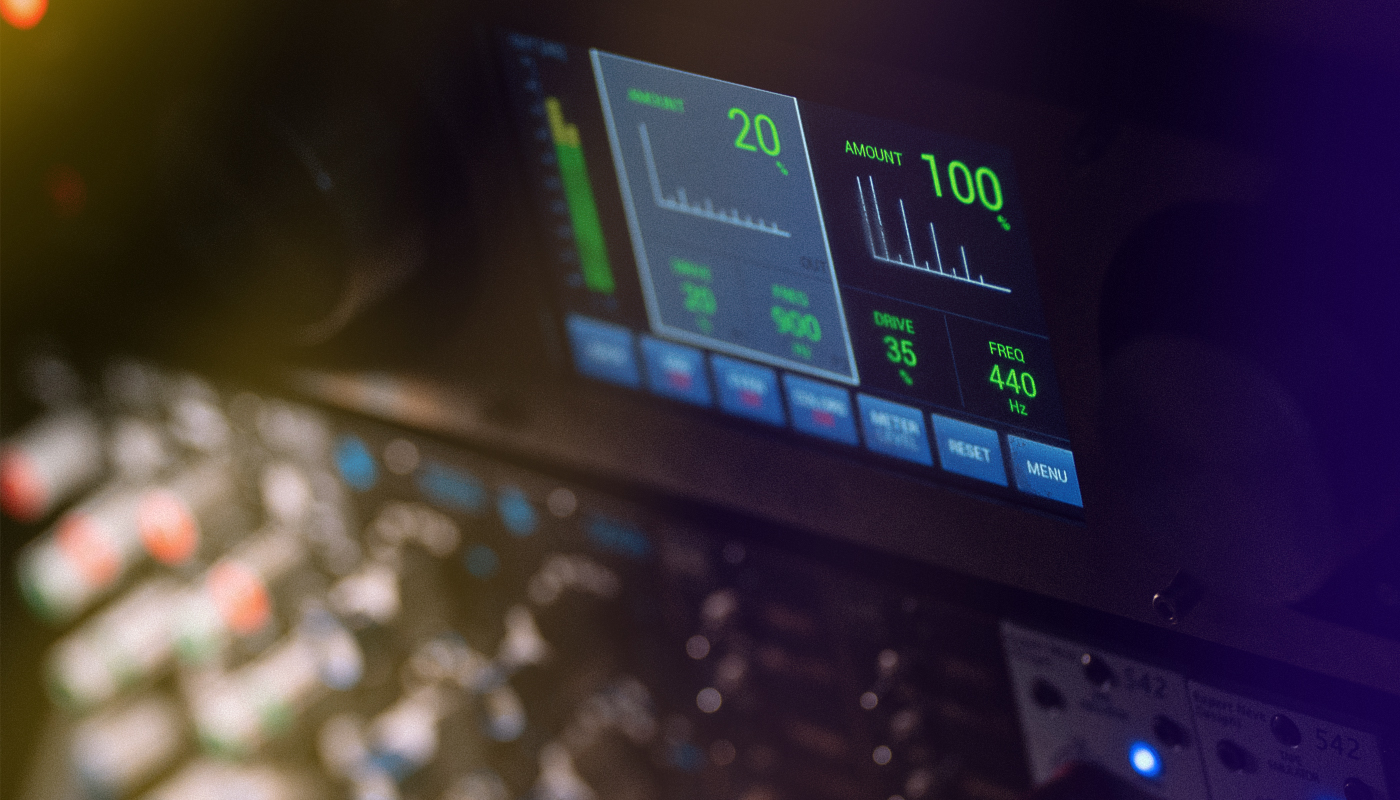
Bettermaker Color Options
This is a very unique hardware as it is not only a transparent limiter on top of your mastering chain but as a chameleon it can mimic the harmonic distortion of a various well known industry standard gear with its built in saturation circuitry. This is not your typical saturation scenario when you dial it in to taste and it gets applied to the whole frequency spectrum. You can choose which frequencies will be saturated and how much drive you want on them. This gives a ton of variations in the mastering engineers hands when coloring is desired. This final step often further enhanches the already good sound selection and mixing by giving it a loud and proud mastering and on top of that as a final touch the coloring can be the perfect finish for a track. The Bettermaker’s specialty is that you can taim the even and odd harmonics separate. This makes it a very rare and very useful tool in our analog gear arsenal. This depth of configurability gives the ability to dial in SSL like vibes easily on any track. If you aim for that Neve-ish bottom but with more control it can also be done. API’s warm mids and rough highmids can be imitated too.
At extreme settings We can even reach the sound design territory for creatve and really unique distortion and harmonics. Sometimes when the kick is a little to clean or doesn’t bite enough We used to run it thru alone and rerecord it if We have the option in stem mastering or retracking. A little push in the right corner frequency can make wonders to a sound and can easily make it stand out or blend in a mix, and as a domino effect if you fix that one sound than you can mix the whole track much better and a well mixed track is the prerequisite for an effective mastering process. As you can see all these details belongs together as they form a chain reaction in the whole process. Now let’s zoom out to see the whole picture about coloring.
Coloring to add Style
Most genres have their well known sound. To reach their style specific loudness and sound stage We must use the traditional recepie that consits of equalisation compression and coloring. Modern music is so loud nowadays that clipping is a must to reach the average -6 RMS while retaining dynamics.
Tape effects tend to compress and saturate at the same time so they are a two in one solution, but this is why one must pay very close attention to the processing and listen carefully not only to one but both effects they do while processing. This can be used as a creative effect and one can even utilise the gain stage limitations by driving it so hard that clipping occurs. This is a softer clipping so is much more pleasing to our ears than digital clippers.
A few examples of how electronic music styles often gets processed with coloring in the mastering stage:
Deep House / Tape Burn – glues grooves together and softens highend
Techno / Mild Distortion – adds more bite and make it agressive
Trance / Saturation – makes thinner sounding synths more alive and full
DnB / Distortion – put’s the frame on wild basses and dynamic beats
Master Effects
We must keep in mind that giving a fair amount of coloring can really bring out the beast from a track in terms of loundess but some clarity and peaks will be sacrificed during the process as saturation feeds on those. A well choosen coloring style can support the musics style and acts like a building block although quite often we see that is overdone or wrongly selected. As with all mastering moves learning the coloring process takes years of experience and a lot of trial and error, so don’t be afraid to experiment with it.
Finally We must mention that as with every aspect of the music elements coloring is also very subjective. One may like the heavily applied tape effect or the really warm vintage tones while others may prefer a much more open significantly lighter mix that tends to reach up much higher in the spectrum and presents a clean airy sound stage. This cleannes is rarely paired with the analog feeling but the Bettermaker Mastering limiter is a great example to it as its limiting is so transparent that you can barely notice it working.
On the other hand when We need coloring it can be a real deal. To be able to always deliver the right taste for the track We have all the classic console EQs working under or gorgeous mastering limiter:
API550b – for that that fat juicey warm transformer sound
SSL611EQ – to have the legendary SSL vibe and flexibility
Neve 542 – magnetic tape head with Neve Silk options
Would your music benefit from a run thru our coloring/mastering chain?