
- September 6, 2023
Tape Fashion
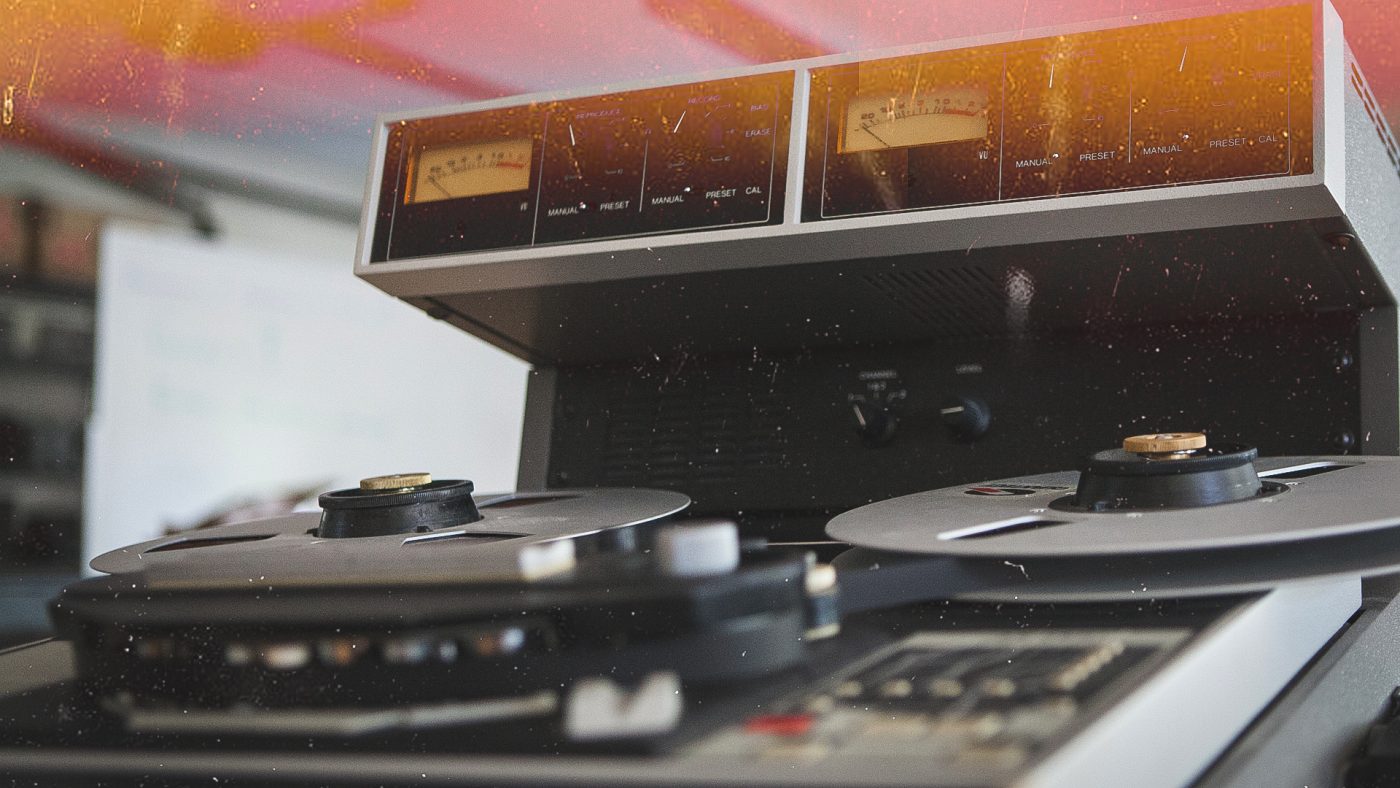
The most important question that you have to ask yourself :
Does the tape sound benefits my music?
Well from a technical point of view it surely does not. From an artistic aspect it might. Tape sound does three very important things at once you might be aware. Magnetic tapes used to compress the sound as they dynamic response wasnt the best back then, but we get used to it hack we learned to love it. A famous side effect of the tape compression is the well known low end bump that changes over tape speed settings. Of course the magnectic head and the tranformators also did their part by introducing harmonic distortion known as tape saturation that gives a little beefed up fatter sound. At last but not least we have the high frequencys roll off effect.
All this combined with a little magic glue and fog that it adds to the whole picture is tempting to use as a good old recepie learnt from the classics. The truth is that if we inspect every single step we just wrote above it’s easy to realise one can have a similar effect using a compressor and an eq and a saturator effect. For todays modern music we highly recommend ditching the good old an very expensive tapes because the threesold in quality requirements is so high that one would need to mix thru tape to be sure that the ratios will be fine when printed to tape and than playback to the computer, but is very expensive to do. Now if you factor in that the well known tape sound is often paired with some of the iconic consoles sound you may want to rethink that good old copycat action again. Different times different techniques different playback systems etc. For the vibe you should use them on parts of the track or on some intruments, but this would introduce sync issues as wow and flutter is a common problem in the playback speed domain.
Ok so now that there are so much against vintage tape what can you do if you aim for that warm summer nite feeling that only tapes could inject into your grooves ?
The solutions is simple. Instead of putting your prescious time into calibration and measurements and nonstop maintainence you should go for the modern alternatives. UAD Studer and Ampex plugins are famous for their ease of use, but after a while the earlier mentioned fog that they introduce is not a desired effect for the mix. Also there is Strymons Deco or Volante effect pedals if you would step in to the analog domain but they are more like for effect purpose than mastering. Belive us we went down the road so we can talk from our true experience.
We ended up with a pair of Neve 542 modules, as they not only do the tape effect with a real magnetic head that you can feed with analog voltage, but also has the famous silk red and blue option which is basicly a transformator feedback circuitry emulating the big consoles sound when pushed. This way we can emulate having a console and a tape machine on top of each other just like back in the old times. In reality as we deal with electronic music most of the times this tape effect is not necessary but when it comes translate factors it helps a lot push that transformatos sound especially when VST sounds with their pure scientific precision doesn’t generate much harmonics. We’re happy to slap our Neves on groovey house and some techno or dub styles but not on trance or modern techno. For retracking it is a whole another story. Helps a lot to build meat for a sound or to taim the hars highs of a hihat loop while also fattening it up to sit in the mix better. One of our favourite trick it to link it with our limiter as the Neve transformator sound comes when it’s being pushed but than it would too much so a limiter needs to handle it. The tape sound can be used in a variety of elegant and tricky solutions. Just keep in mind that it does a few thing at once: low end bump, rolls of highs, compress and saturates.
Secret tape mastering service that isn’t found in our webshop!
If you would like to try the tape sound to get the taste checkout out the link:
https://slidemastering.studio/tape-burn/