
- May 3, 2023
Mono Compatibility
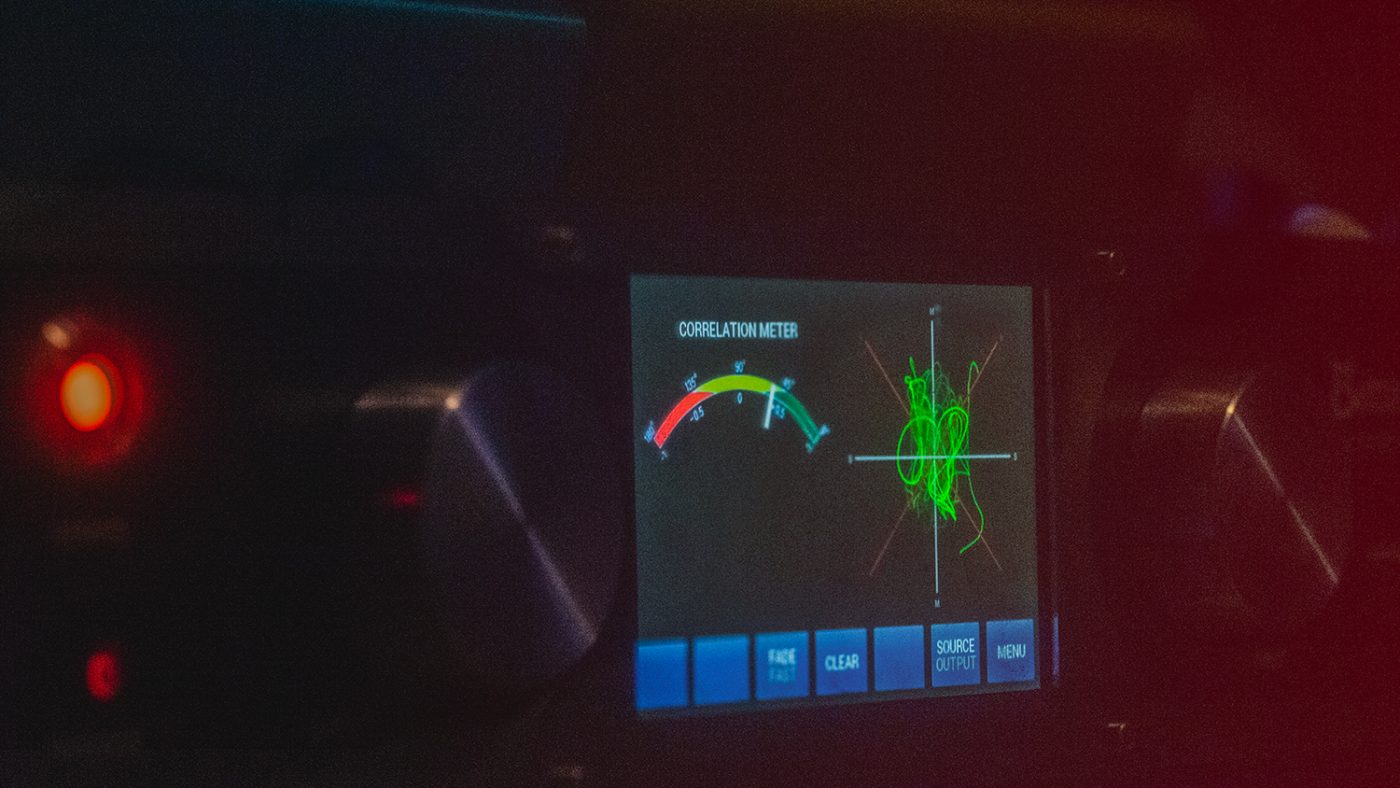
The importance of mono compatibility is highly underrated while it is one of the most critical parameters of club music. The problem lies in the details.
We often find tracks being filled with widely stereo spread ear candy material that gives the feeling of a bigger space. On it’s own it is not a problem at all but when the core elements are widen We have to take it to account that this generates a false sense of loudness. This loudness is only visible in the stereo domain but completly dissaperars if the track is summed to mono. Now this leads to problems when mixing. The ratio between the synth pads and the kick might be finetuned very well with the stereo version but if it sums to mono and the volume differences changes the ratios it can ruin the mix.
A very popular often heard solution is to mix in mono, but to be honest it is so old school a lot of producers simply loose their vision because it is not inspiring at all to our ears. To avoid mixing in mono and stay creative the most often used method is to mix in stereo but checking in mono regularly during the process to monitor the situation. Now the problem with this is that this method often leads to over compensated mixes which are no question sure to be mono compatible but at a cost of reducing the width of the stereo mix so that is no more pleasing to listener. The key is to keep the ratios. This means if You have a track with a lot of widely spread elements in the middle section for example atmospheric synth pads, but the hihats, drums and the bass are all mono it means that when the mix is summed to mono the wide synth sound will be much lower in volume. To solve this problem You can either reduce the stereo spread of the synth pad and voila your mix is now saved, but this doesn’t leave you with a professional result. Now let’s see what the pros do! In order to keep the ratios in mono but still sound pleasing in stereo, pros used to widen all the elements relating to each other, this means if you have a wide synth pad, than you should introduce some space to the hihat and drums too. You can add layers or simply use a short delay or reverb to put them in a virtual space and give them wideness.
The old school trick when every analog synth was mono is to record the same pattern or loop twice and then put on to the right the other to the left with panning, as the analog drift was inevitable this created some differences between the two sides and there you have it: stereo effect. The only problem was that sometimes it introduced phase cancellation which is quite a problem. When the two sides cancel out each other it means that when they are summed to mono they are simply dissapear from the mix. Nowdays this can be used to fill in the space even more in the stereo version as long as You know how to utilise this trick. For example You have layed down a techno banger track with analog synths recorded in mono but You want to make it a real big room feel. One approach is to leave the core elements in mono, but add stereo spaced effects that are sure to cancel out in mono sum.
Our topline producer shared his secret how to achieve the same sound signiture when played at a large eventhall with 10 000 people raving to the music and listening to the same audio in headphones. Buckle up because we’re going to blow your mind! The trick is to simulate the large hall, with reverb, thus putting the mix in to a virtual space. This way You can totally mix in mono than You can apply this trick. The important step is to use an effect that cancels out in mono, so when the track is played at a club or large eventhall, the mono summed playback will lack the virtual space so that the real space of the venue will add the reverb tails and the space, but when You listen to it in headphones your hear the virtually simulated space’s reverb tails. Of course the key is keeping the ratios here too so don’t have to fully cancel out and hear a full dry mix in mono, but You get the idea. Tricky isn’t it?
Be sure to look for the obvious signs of mono compatibility problems: when summed to mono the bass sounds louder, when summed to mono instruments and effects dissapear, when summed to mono mix sound too thin. If these issues recognised they need to be dealt with. It is better to do it at the producing stage when effects and sound design can be changed for best results. When facing these things at the mixing or mastering stage the only option is too go for the mid/side processing. This is what We used to as engineers. This process gives Us the ability to deal separately with the mid and side component aka the mono version and the stereo version. Making the mid component sound at it’s best is the first step and than adding the side aka the stereo image to it the second. Please note that too big differences can’t be compensated in post and should be dealt at production stage.